The Folklore Behind Fall: Why October Feels Different
All October posts are part of the Countdown to Halloween!
Every year, around the time the air starts to change and the light shifts into that particular golden slant of late afternoon, something happens that I can only describe as a feeling of recognition.
Like the season and I are old friends who have finally found each other again after a long time apart.
I've spent a lot of years assuming that feeling was personal — something particular to Halloween lovers, a quirk of people who never quite shook their childhood obsession with skeletons and jack-o-lanterns.
But the more I've read about the history and folklore of autumn, the more I've come to think that what we feel in October is something much older and more universal than that. We didn't invent the pull of this season.
We inherited it.
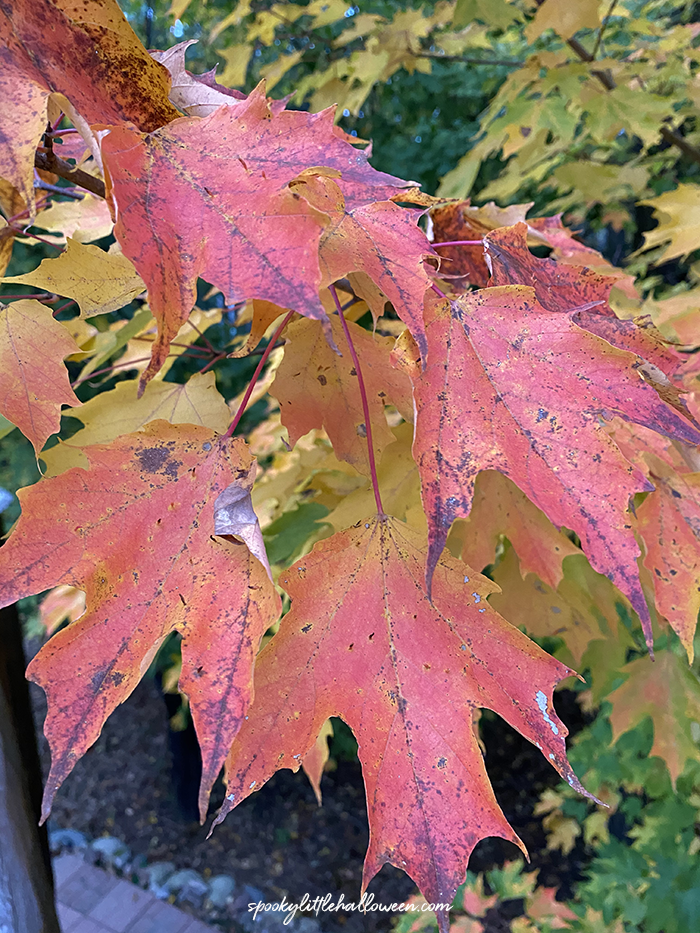
The year is dying, and it always has been
For most of human history, autumn wasn't a backdrop for decorating. It was a matter of survival.
The harvest had to come in before the cold did, and everything depended on it — whether the community would eat, whether they would make it through winter, whether the year could be called a success or a failure. That kind of weight changes how you experience a season.
The ancient Celtic festival of Samhain, which fell at the end of October, marked the end of the harvest and the beginning of the dark half of the year. It was treated as a threshold moment — the point where one year ended and whatever came next began.
In the pagan wheel of the year, autumn was understood as a season of sacred transition: the time when the earth releases, humans reflect on harvest and death, and the veil between worlds grows thin. Across cultures, the dying of the natural world at the end of the growing season was mirrored in mythology — gods descending into the underworld, light giving way to dark, the land going quiet and cold.
Many in the pagan tradition believe the last sheaf of the harvest was a relic of the millennia-old belief in the dying-and-rising god, who dies in autumn to be reborn the following spring.
The point is: humans have been marking this moment for a very long time. The feeling that October is different, that something is shifting, that the world is in the middle of something significant.
That's not nostalgia. It’s an ancient instinct.
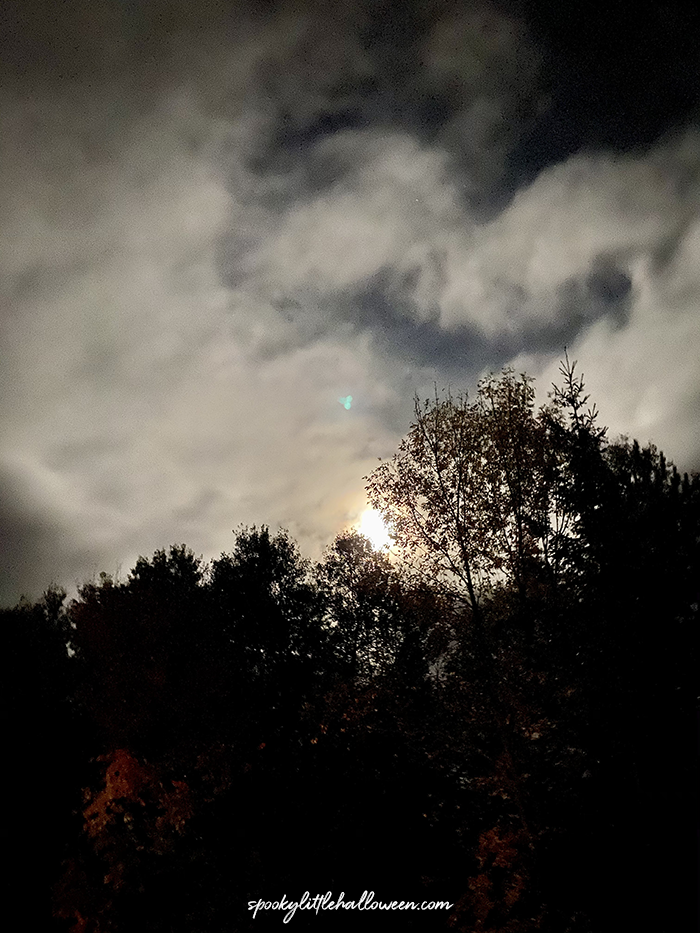
Why we're drawn to the darkness
Here's the part that I find genuinely fascinating, and that I think explains something real about Halloween people specifically.
October is a month saturated with death imagery: skeletons, ghosts, graveyards, the slow visible dying of every tree in sight. And most of us don't find that depressing. We find it beautiful. We find it exciting. We have been waiting for it since Nov. 1 of the previous year.
Lindsey Harvell-Bowman, a professor of communication studies and psychology at James Madison University who researches death anxiety and why we're drawn to fear, has found that activities like haunted houses, horror movies, and ghost stories can actually make us feel more alive. Engaging with death on our own terms, in a safe and playful context, gives us a way to look at something we spend most of the year carefully not looking at.
Halloween has always done this — providing a sanctioned space to explore our fascination with death and the supernatural, topics that are otherwise largely off-limits in everyday conversation. For one month, the culture gives us permission to sit with those big, dark questions, dress them up in costumes, put them on our front porches, and make them fun.
That's not morbid. That's actually a pretty healthy way to move through a world where death is the one thing none of us can avoid.
For Halloween lovers, I think this runs even deeper. We're not just tolerating the death imagery. We're drawn to it, and have been since we were kids. Something about October always felt like the world was finally telling the truth.
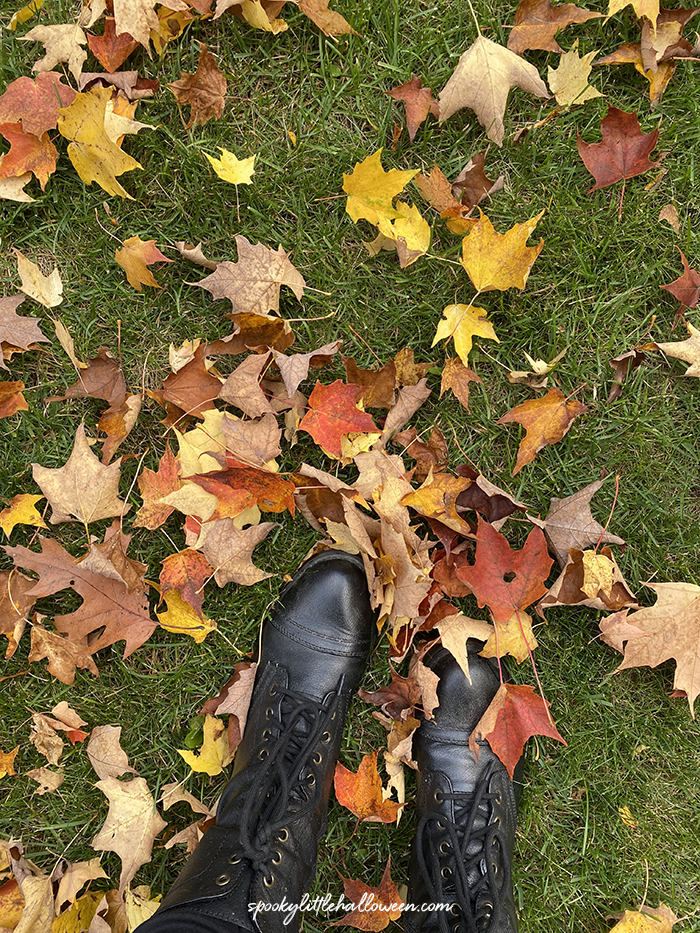
What the season is actually asking of us
The harvest festivals of the ancient world weren't only about gathering food. They were about reckoning with the year — what it had given, what it had taken, what was being let go before the dark months came. Offerings were made to deities of the earth and underworld, feasts were held, and fires were lit to ensure safe passage through the darkness ahead. The season asked people to pause, take stock, and prepare.
I think October still does this, even for people who have no idea about any of this history. There's something about the shortening days, the smell of smoke in the air, the leaves coming down, that invites a kind of reflection that the bright, busy months don't. The world is slowing down. It's telling you something is ending. And endings, if you let yourself sit with them, have a particular kind of beauty.
Halloween lovers have always known this. The rest of the world is catching up.