
Movie posters sourced from themoviedb.org.
If you've already worked your way through the Horror Movies for Hot Nights list, first of all — good. Second of all: there's more.
That list is a curated selection of films that capture the feeling of watching horror in the heat. This one goes deeper.
Summer horror is actually a surprisingly rich genre with distinct subgenres — each with its own rules, its own atmosphere, and its own particular flavor of dread. A summer camp slasher and a folk horror film both technically qualify as "summer horror," but they're doing completely different things.
This guide organizes the best summer horror films by what they're actually doing so you can pick based on the kind of scared you want to be tonight.
The Summer Horror Movie Guide
Perfect for an outdoor movie night or rainy Summerween event…or just a hot afternoon.
Wondering where something is streaming currently? Use justwatch.com to find out.
Summer Camp Horror
Summer camp horror is its own genre, complete with its own mythology. The formula is deceptively simple — isolation, authority figures, teenagers, darkness, woods — but when it works, it works like nothing else. The best entries in this subgenre understand that summer camp was always a little bit frightening: the unfamiliar bunks, the strangers you're supposed to trust, the lake you're not sure about.
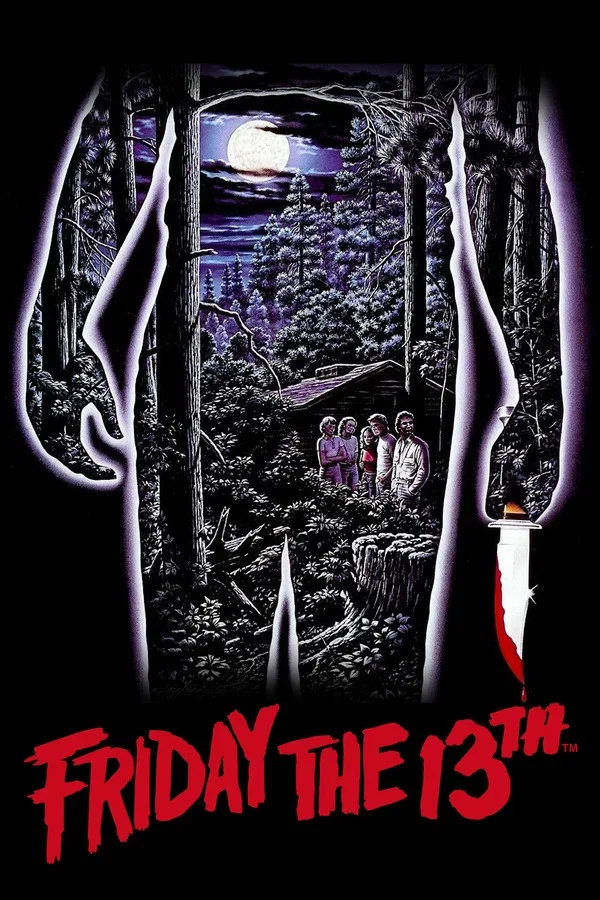
Friday the 13th (1980)
The one that defined the genre. A group of young counselors attempting to reopen Camp Crystal Lake start dying in the woods, one by one. What makes Friday the 13th hold up after more than forty years isn't the gore — it's the atmosphere. The camp feels genuinely isolated. The killer feels genuinely unknowable. The lake at night looks exactly like a lake you shouldn't swim in. The film also contains one of the great twist reveals in horror history, which you probably already know — but if you don't, don't let anyone spoil it.
Watch it if: You want the definitive summer camp horror experience and the foundation for everything that came after.
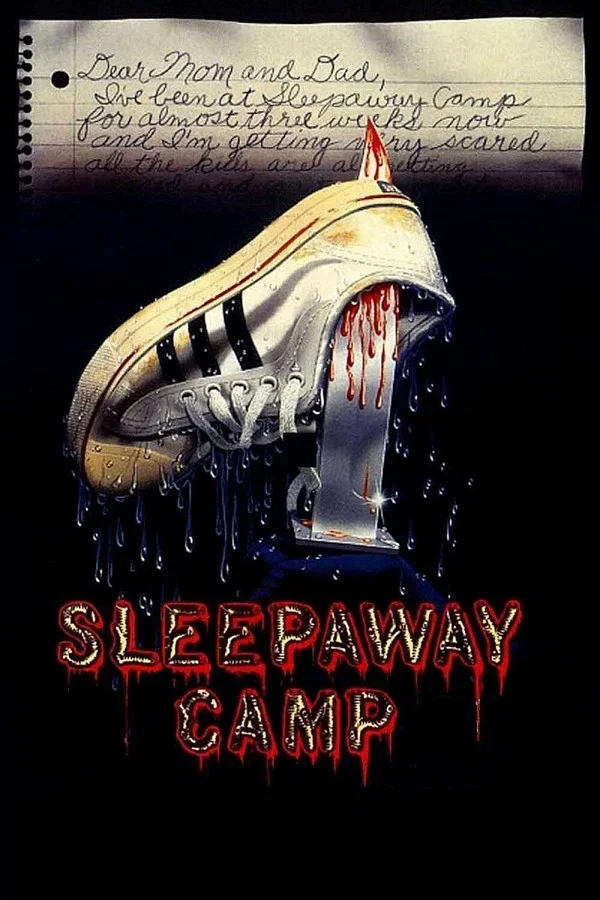
Sleepaway Camp (1983)
Sleepaway Camp has the reputation of a lesser Friday the 13th clone, which is deeply unfair. Yes, it takes place at a summer camp. Yes, people die. But Sleepaway Camp is doing something far stranger and more unsettling than straightforward slasher mechanics — it's a film about identity, cruelty, and the particular savagery of children, and it builds to one of the most genuinely shocking final images in the genre. It's imperfect and deeply weird, which is exactly what makes it worth watching.
Watch it if: You want a summer camp horror film that will actually surprise you, even now.
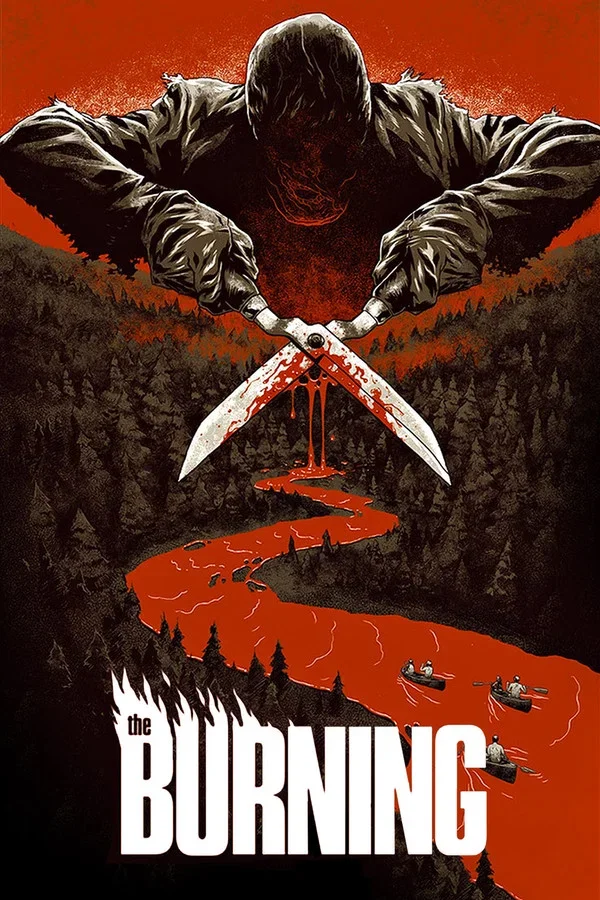
The Burning (1981)
The most underrated entry in the summer camp slasher canon. A camp caretaker horribly disfigured by a prank gone wrong returns for revenge years later, and The Burning doesn't pull its punches about what that looks like. Tom Savini's practical effects work is some of his best — the raft scene in particular is a genuinely shocking set piece that lands even by modern standards. The film also features very early appearances from Holly Hunter, Jason Alexander, and Fisher Stevens, which makes it a fascinating artifact in addition to an effective horror film.
Watch it if: You consider yourself a summer camp horror completist and haven't gotten here yet. Fix that.
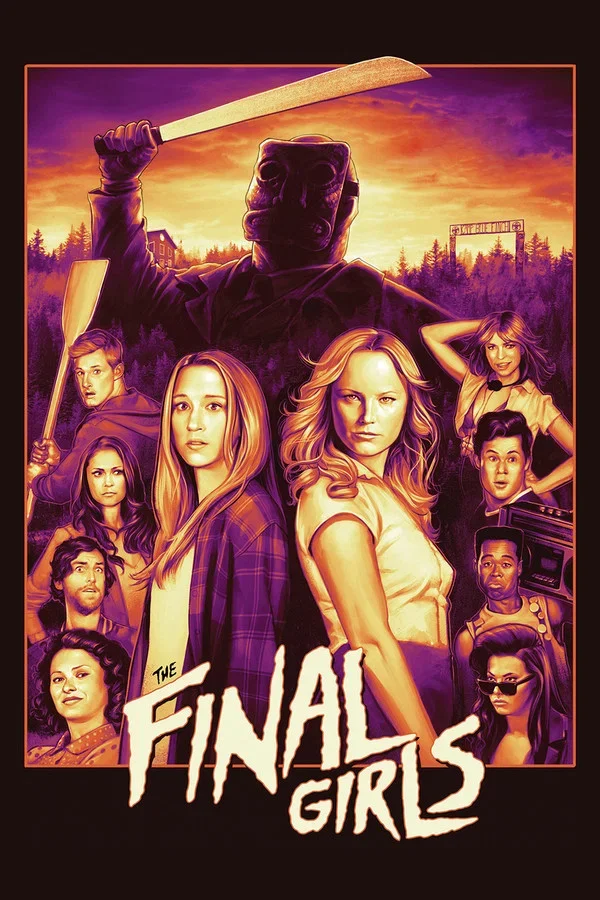
The Final Girls (2015)
The meta entry — and a genuinely good one. When a group of modern teenagers are magically transported into a 1980s summer camp slasher film, they have to survive by understanding the rules of the genre they've been dropped into. The Final Girls is funny and self-aware in the way the best horror comedies are, but it also has a genuine emotional core that sneaks up on you. It's the most accessible film on this list, making it a good starting point for viewers who want summer camp horror without the harder edges of the earlier films.
Watch it if: You want something that loves the genre enough to play with it, and you're watching with someone who's horror-adjacent rather than horror-devoted.
Beach & Ocean Horror
The ocean is terrifying. This is a fact. It covers most of the planet, most of it is dark, and most of what lives in it we've never seen. Beach horror works by taking one of summer's most familiar settings — the place everyone goes to relax — and reminding you that the water doesn't care about your vacation.
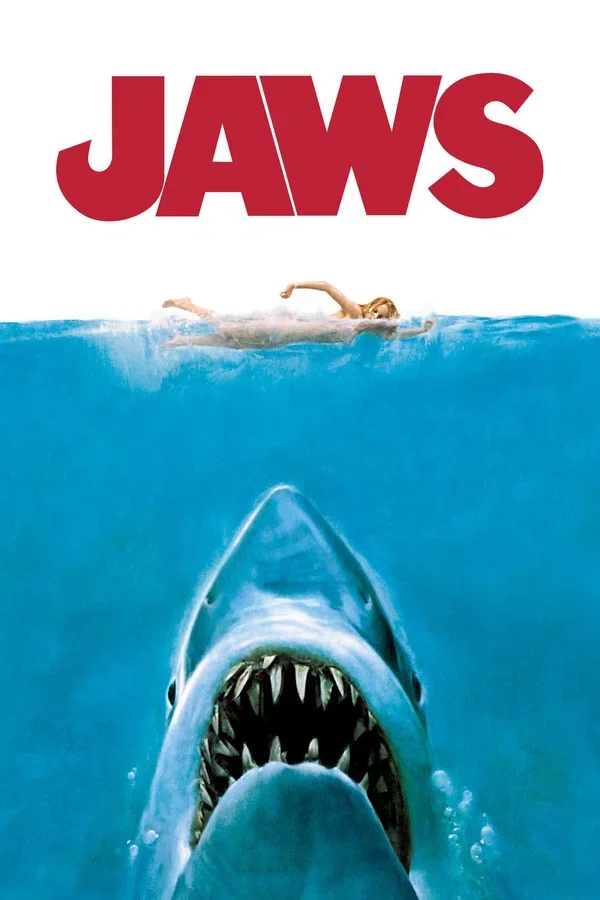
Jaws (1975)
You already know this one. If you've seen the Hot Nights list, you've seen it there too and it belongs on every summer horror list that will ever exist. The reason Jaws is still frightening 50 years later isn't the shark. The mechanical shark barely works, and Spielberg knew it. It's the suggestion of the shark. It's the water. It's the way Chief Brody looks at the beach. It's John Williams' score doing exactly two notes' worth of work and somehow saying everything. There is no beach horror without Jaws. Watch it every summer.
Watch it if: It's been more than a year since you last watched it.
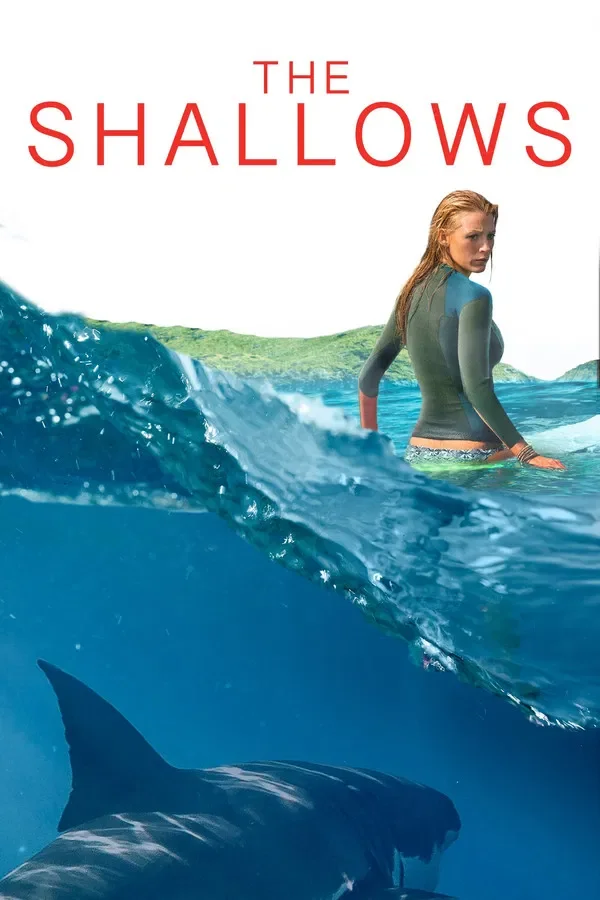
The Shallows (2016)
A surfer stranded 200 yards from shore on a small rock outcropping, with a great white circling. That's the entire premise, and The Shallows makes it last 87 minutes through sheer craft. Blake Lively carries almost the entire film alone, and the tension is relentless. Where Jaws is a film about community facing a threat, The Shallows is about individual survival — a woman solving an impossible problem in real time. It's the most purely tense film on this entire list.
Watch it if: You want sustained, almost unbearable suspense and you're not planning to swim tomorrow.
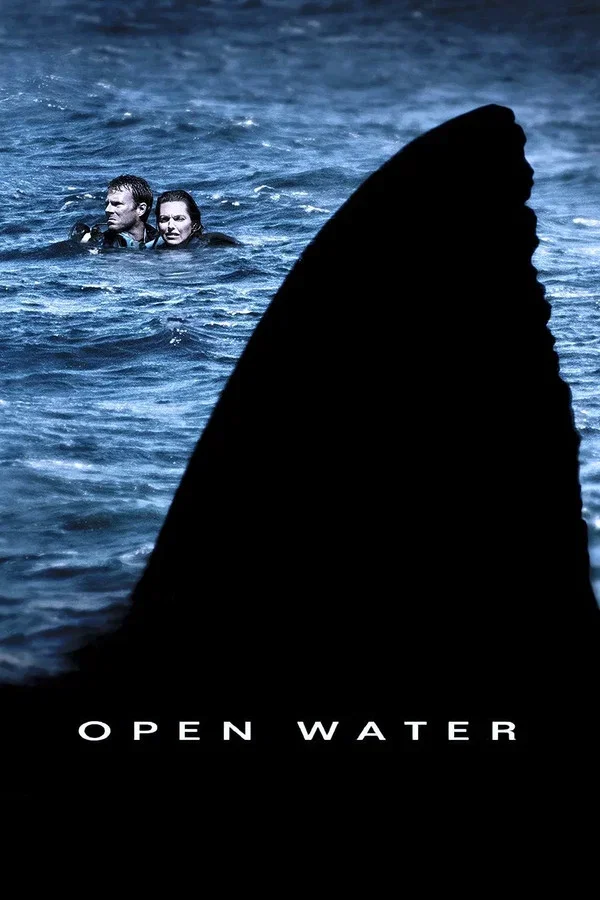
Open Water (2003)
Based on a true story: a couple on a scuba diving trip surfaces to find their boat gone and the ocean around them empty. Open Water was shot on a tiny budget in open water with real sharks, and that authenticity is what makes it devastating. There are no jump scares, no monster, no chase. Just two people and the ocean and the slow, terrible realization of what's happening to them. It's the horror film equivalent of reading about a ship that went down — the dread is in the knowing, not the showing.
Watch it if: You want something that will stay with you rather than startle you.
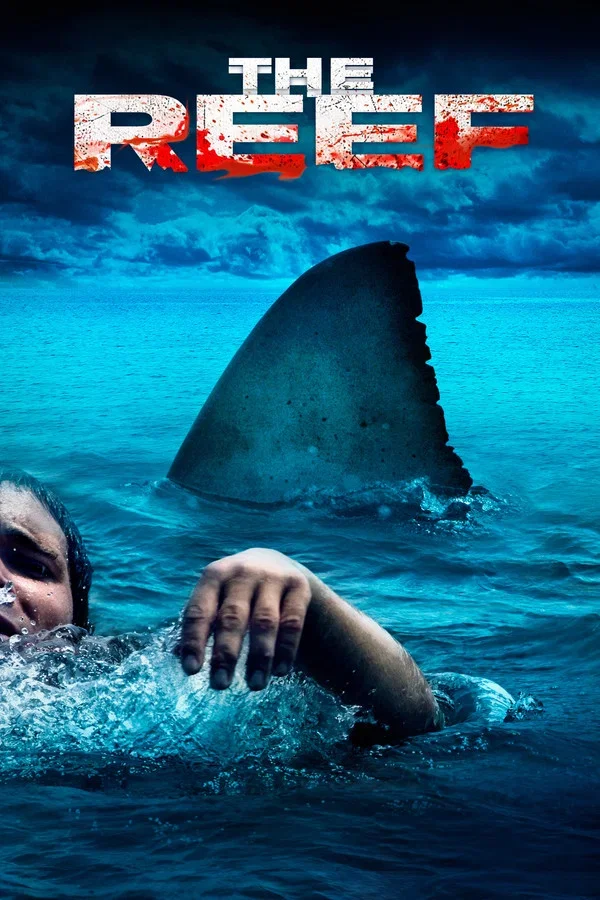
The Reef (2010)
Australia's answer to Open Water, and in some ways more effective — because it adds a shark that's actually there. A group of friends whose boat capsizes off the Great Barrier Reef must decide whether to stay with the hull or swim for a distant island. One of them knows about the tiger sharks in these waters. The Reef is based on a true incident, shot in actual shark-populated waters, and is genuinely hard to watch in places. Deeply underrated and underseen outside of Australia.
Watch it if: You feel like Open Water needed just a little more shark.
Road Trip Horror
Road trip horror operates on a simple and reliable fear: what if the isolation that makes a road trip romantic turns against you? You're in unfamiliar territory, you're dependent on your vehicle, and the people who live along this road have been here long enough to know things you don't. The genre is at its best when the landscape becomes threatening — when the distance between exits stops feeling like freedom and starts feeling like vulnerability.
The Texas Chain Saw Massacre (1974)
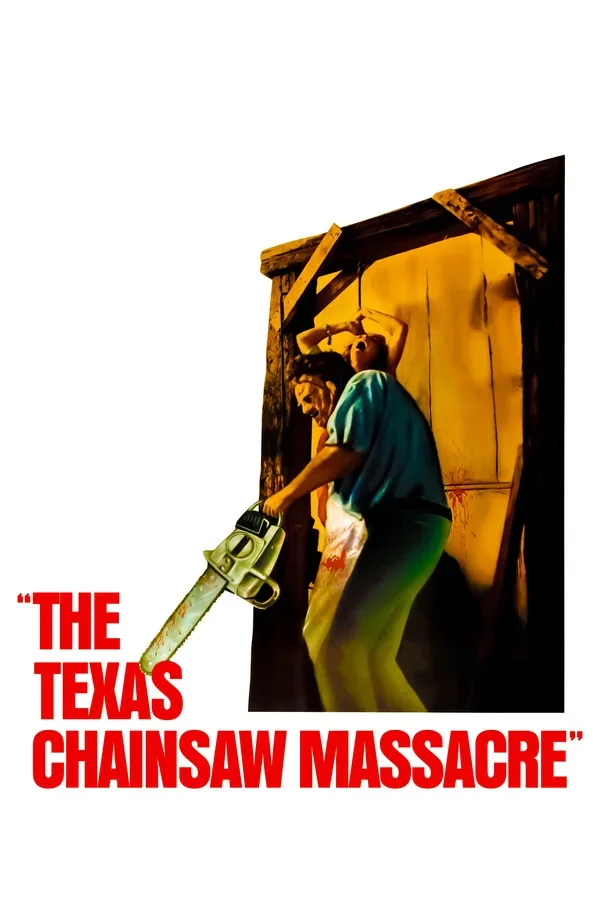
Also on the Hot Nights list, and it belongs there and here. Five young people on a summer road trip through rural Texas encounter a family with very different ideas about hospitality. What makes The Texas Chain Saw Massacre so enduring isn't the violence — it's how much of it is suggestion, heat, and sound. The film feels like the hottest, most claustrophobic day of your life. The chainsaw's sound design alone is enough to ruin a summer afternoon. One of the most important American films ever made, full stop.
Watch it if: You haven't seen it, for any reason, at all.
Duel (1971)
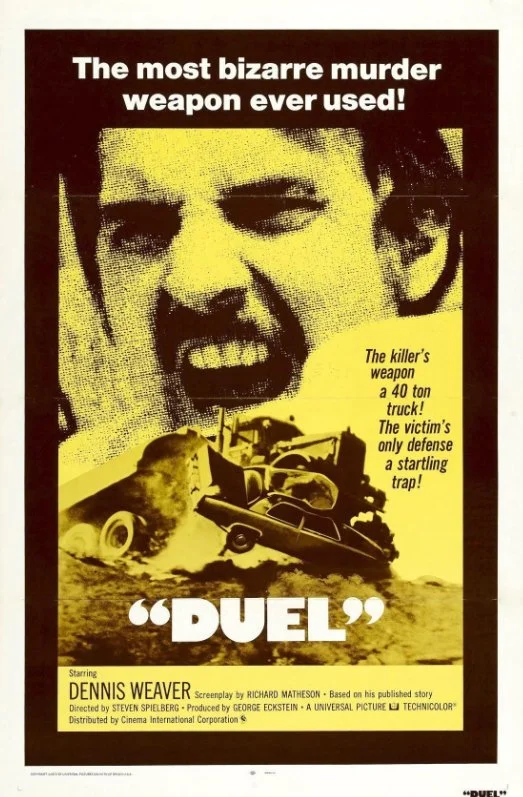
Steven Spielberg's made-for-TV film about a traveling businessman terrorized by a massive tanker truck on a remote highway is one of the leanest, most perfectly constructed road horror films ever made. We never see the driver. The truck is the antagonist — a massive, diesel-breathing predator that escalates without explanation. Spielberg made this four years before Jaws, and you can see every instinct that would later define that film: the unseen threat, the mounting dread, the ordinary person pushed past their limits. Essential.
Watch it if: You want to understand where road horror comes from and you have 90 spare minutes.
The Hitcher (1986)
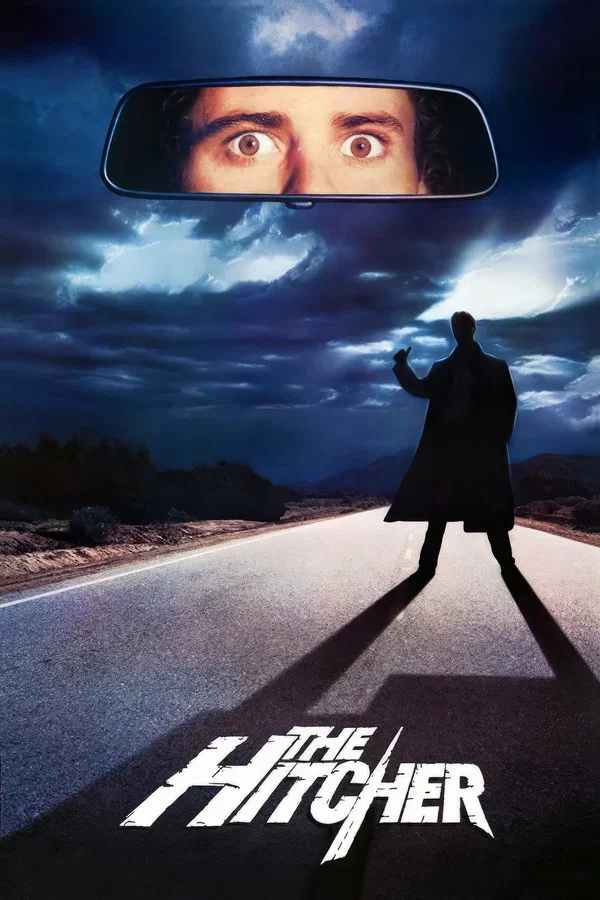
A young driver gives a hitchhiker a ride across the New Mexico desert and spends the rest of the film wishing he hadn't. Rutger Hauer's performance as John Ryder is one of the great horror villain turns — utterly calm, terrifyingly unpredictable, and pursuing a logic that never quite becomes clear. The landscape is vast and indifferent. There's nowhere to go. The Hitcher operates on a very specific frequency of dread that feels like it belongs entirely to long summer drives on empty roads.
Watch it if: You want something with a genuine villain rather than a force of nature.
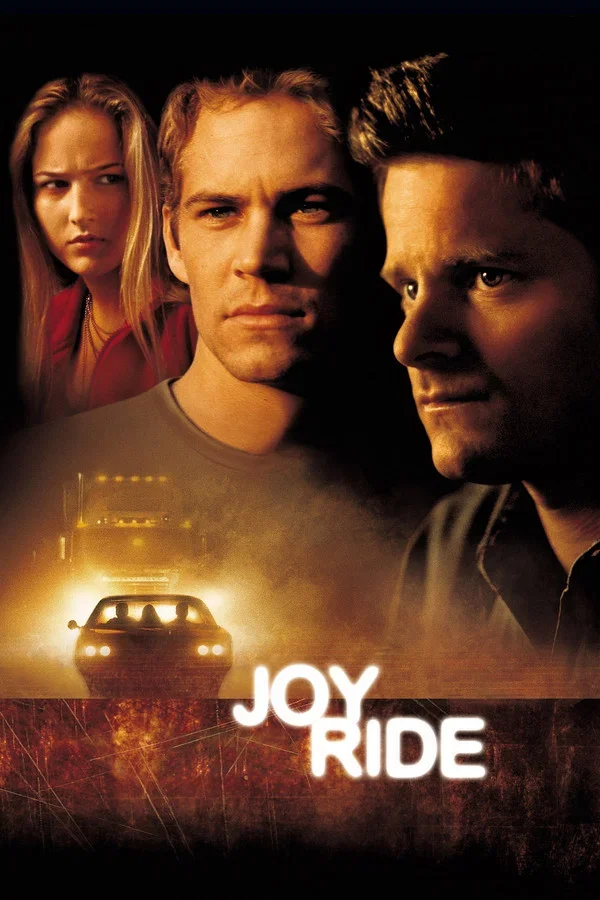
Joy Ride (2001)
Two brothers on a cross-country road trip taunt a trucker over a CB radio as a prank, and the trucker — who goes by "Rusty Nail" — does not let it go. Joy Ride is more accessible than the other entries in this category — it moves quickly, it's occasionally funny, and Paul Walker and Steve Zahn are genuinely good together — but it earns its tension honestly. It's also one of the better examples of the "consequences of a dumb decision made in the middle of nowhere" subgenre. Underrated and worth revisiting.
Watch it if: You want road trip horror with a lighter touch and still plenty of genuine suspense.
Folk Horror
Folk horror is the genre of summer rituals, ancient bargains, and the particular unease of arriving somewhere with deep-rooted traditions you don't understand and weren't meant to. Where road trip horror is about the landscape, folk horror is about the community — the closed circle of people who've always been here and know something you don't. It's summer horror's most literary subgenre, and arguably its most disturbing.
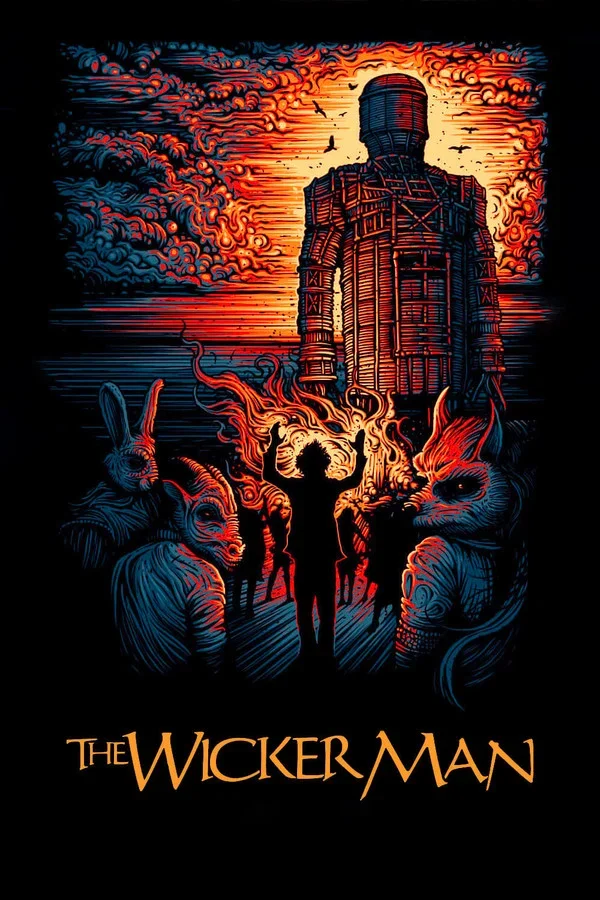
The Wicker Man (1973)
The ur-text of folk horror. A devoutly Christian Scottish police sergeant travels to a remote island to investigate a missing girl and finds a pagan community living entirely outside his frame of reference. The Wicker Man is unsettling before anything overtly frightening happens — the island's songs, its rituals, its cheerful refusal to be what the protagonist expects creates a mounting disorientation that pays off in one of cinema's most famous endings. The 1973 original only; the 2006 Nicolas Cage remake is a different experience entirely.
Watch it if: You've never seen it. Drop everything.
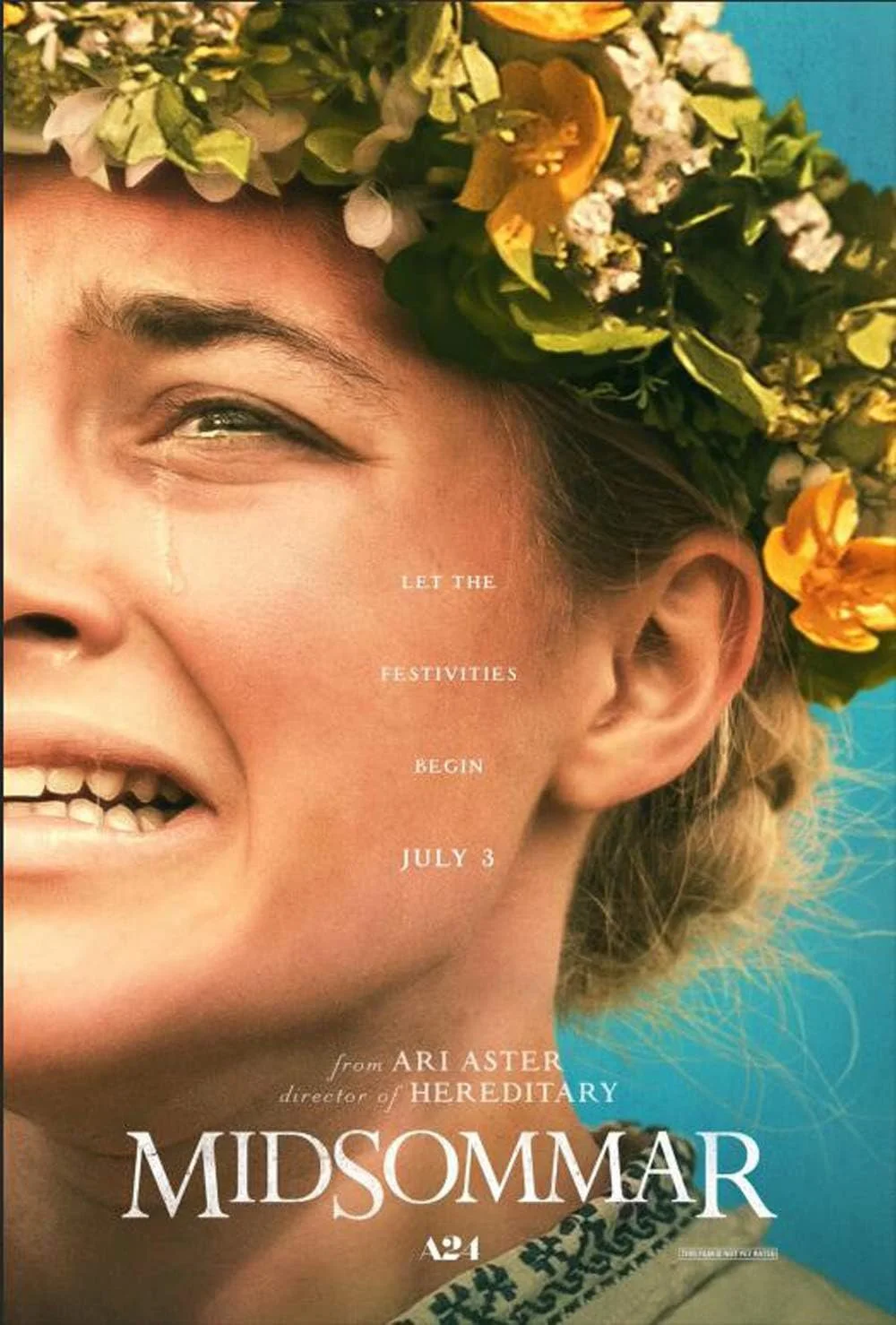
Midsommar (2019)
Ari Aster's follow-up to Hereditary takes a grieving American woman to a Swedish midsummer festival and does not let her — or you — look away from what happens there. The constant daylight is deliberate and devastating: there's no darkness to hide the horror in, no shadow to suggest rather than show. Midsommar is gorgeous, deeply upsetting, and one of the defining horror films of the last decade. It's also, unexpectedly, a breakup movie — which makes it resonate in ways a straightforward horror film wouldn't.
Watch it if: You're prepared for a film that's as emotionally exhausting as it is frightening.
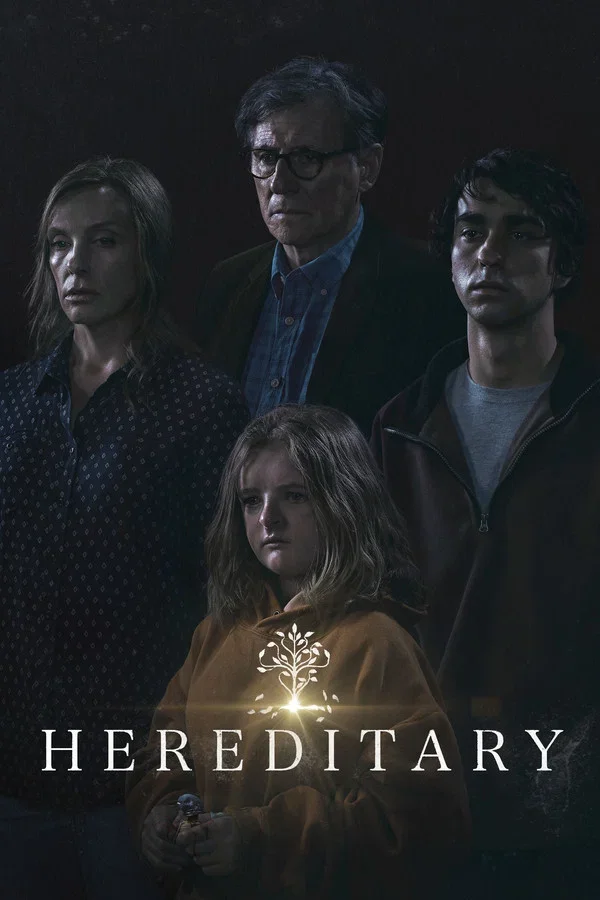
Hereditary (2018)
Ari Aster's debut film is not strictly summer horror — but it begins in summer, it takes place in the slow unraveling of warm months, and the horror that emerges is rooted in ancient ritual in ways that put it firmly in the folk horror tradition. Hereditary is one of the most technically accomplished horror films ever made, and Toni Collette's performance is among the best in the genre's history. It's the film that established Aster as the defining voice in contemporary folk horror.
Watch it if: You've seen Midsommar and want to understand where it came from.
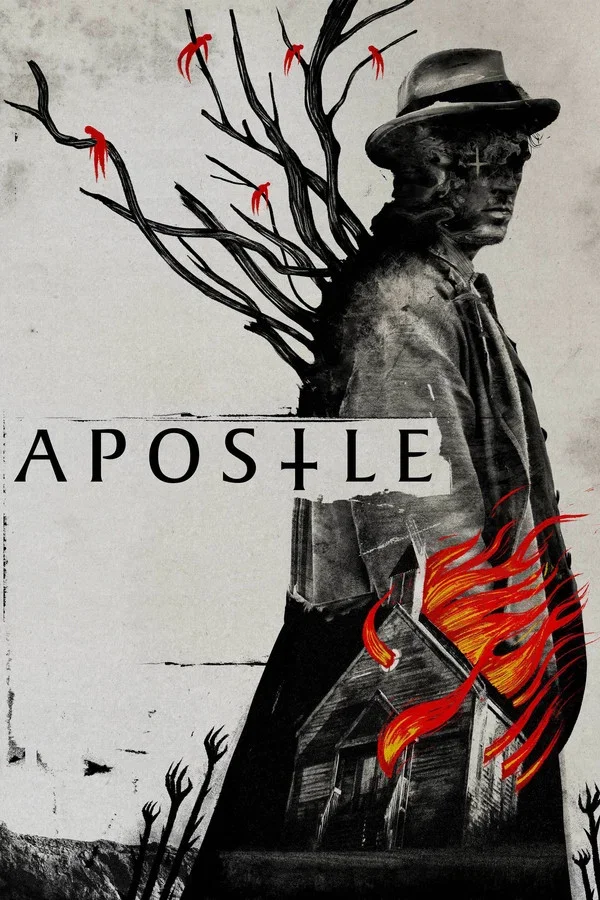
Apostle (2018)
Criminally underseen on Netflix, Apostle follows a man who travels to a remote island commune in 1905 to rescue his sister from a religious cult — and discovers the cult is hiding something far older and stranger than doctrine. Dan Stevens is excellent, the production design is extraordinary, and the film commits fully to its folk horror premise in ways that get genuinely dark. It's the most rural and historical film on this list, and it rewards patience.
Watch it if: You want folk horror that goes somewhere truly unexpected and aren't afraid of slow builds.
A Note on Crossover
If you've read the Horror Movies for Hot Nights list, you'll notice that Jaws, The Texas Chain Saw Massacre, and Midsommar all appear on both lists. That's not an accident — those three films are summer horror anchors that belong in any conversation about the genre.
Think of the Hot Nights list as your starting point and this one as the deeper dive into what each subgenre has to offer beyond the obvious entries.
And if you're planning a summer horror marathon? Run a category a night. Four nights, four very different kinds of scared. That's a Summerween well spent.

What’s on your summer horror movie watch list?
Add your picks in the comments.
Thinking of hosting an outdoor spooky movie night to screen one of these? Check out this blog post for all my best tips and tricks for making the most of your evening.