

May is Cemetery Appreciation Month, and if you're reading this blog post, there's a good chance you already know exactly what I'm talking about when I say that some of my favorite afternoons have been spent wandering a historic cemetery with nowhere else to be.
If that sentence resonated with you — welcome. You might be a taphophile, and that's a wonderful thing to be. Here is your guide to getting started with exploring, from a fellow taphophile.

Bellefontaine Cemetery and Arboretum in St. Louis, MO
So, what is taphophilia?
Taphophilia is a love of cemeteries, gravestones, and funerary art. It sounds more clinical than it feels — in practice, it's simply a deep appreciation for these spaces and everything they contain: the history, the artistry, the quiet, and the stories etched into stone.
It's more common than you'd think. And for those of us drawn to Halloween, the gothic, and the beauty in things most people walk past without a second glance, it's a pretty natural fit.

Old City Cemetery in Galveston, TX
What do taphophiles actually do?
The first thing worth saying: cemetery appreciation is not morbid, and it's not disrespectful. Taphophiles are some of the most thoughtful visitors these spaces receive.
In practice, it looks like a lot of different things depending on the person:
Visiting and exploring.
Many of the oldest cemeteries in the U.S. were designed as landscape parks — places for Sunday strolls and quiet contemplation long before that was unusual. Mount Auburn in Cambridge, Green-Wood in Brooklyn, and Spring Grove in Cincinnati are stunning works of landscape architecture that happen to also be cemeteries. They were meant to be walked through and appreciated.
Researching the people behind the stones.
A headstone is the beginning of a story, not the end of one. Taphophiles often use resources like FindAGrave and Ancestry to learn about the lives behind the names — and sometimes uncover genuinely fascinating local history in the process.
Documenting and photographing.
Cemetery photography is its own art form, and the light, texture, and subject matter make for some of the most striking images you'll ever take. Check out these tips for making the most of your photos.
Preservation advocacy.
Many historic cemeteries — particularly in rural areas — are in serious need of care and attention. Taphophiles often volunteer for cleanup efforts, report damaged stones, and advocate for the funding these spaces deserve.

Sleepy Hollow Cemetery in Sleepy Hollow, NY
How to get started
If you're new to cemetery appreciation, the entry point is simple: find an old one near you and go.
A quick search for "historic cemeteries near [your city]" will turn up more than you expect. Look for municipal cemeteries established before 1900, churchyard cemeteries in older neighborhoods, and any space with the words "rural" or "garden" in the name — those were often designed specifically to be beautiful.
Once you're there, slow down. Read the inscriptions. Notice the materials — marble weathers differently than granite, and the older sandstone markers have a quality that's unlike anything else. Pay attention to the layout, the trees, the way the land moves.
You're not just visiting a cemetery. You're visiting a small museum that's been open for a very long time.
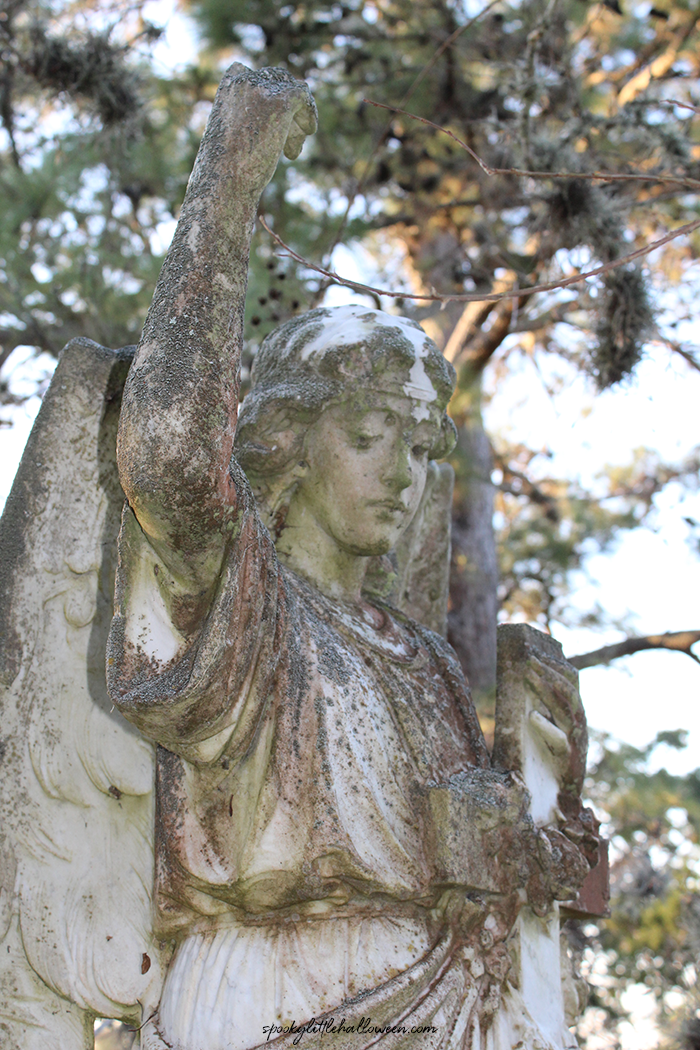
Catholic Cemetery #1 in Victoria, TX
What to look for: symbols and their meanings
One of the most rewarding parts of cemetery appreciation is learning to read the visual language of funerary art. Headstones from the 18th and 19th centuries in particular are full of imagery that carries specific meaning — and once you know what to look for, you'll start seeing it everywhere.
A few common ones to get you started:
Weeping willow — Grief and mourning, one of the most common symbols in American cemeteries from the 1800s.
Hands — A pointing finger means the deceased has gone to heaven. Clasped hands represent farewell, or the bond between the living and the dead.
Lamb — Almost always marks a child's grave. Innocence and gentleness.
Hourglass — The passage of time. Often paired with wings to suggest time flying.
Ivy — Friendship, fidelity, and immortality. Often found on the graves of young women.
Broken column — A life cut short. A family line ended.
I have a guide to cemetery symbols and their meanings from one of my favorite cemetery experts, Tui Snider, right here on the blog — it's worth bookmarking for your next visit.

Glenwood Cemetery in Houston, TX
A note on being a good guest
Cemetery appreciation comes with responsibility, and most taphophiles take that seriously. A few guidelines worth keeping in mind:
Stay on paths where they exist, and step carefully around older stones that may be fragile or sunken. Never do gravestone rubbings without checking whether the cemetery allows it — the pressure can damage older markers. Photograph freely, but be mindful if a burial is in progress or family members are present. And if you see a stone that's fallen or damaged, report it to the cemetery office rather than attempting to right it yourself.
These spaces deserve our care, not just our admiration.
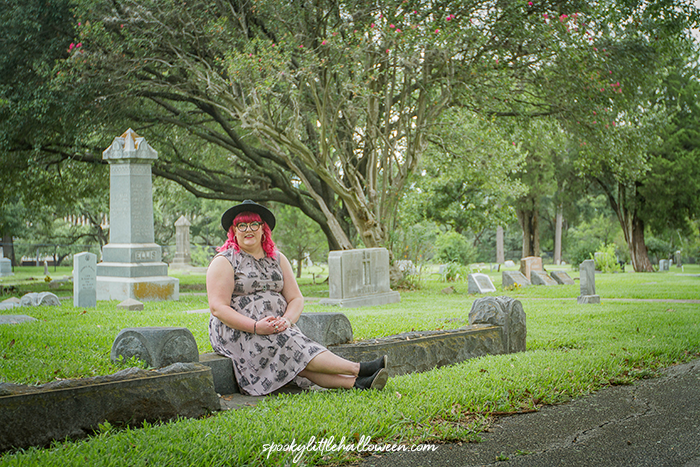
Magnolia Cemetery in Houston, TX
Why it matters
Cemeteries are one of the last places where history lives in an unmediated, physical form. The people buried there were real. The grief carved into those stones was real. And in many cases, if we don't show up to appreciate and preserve these spaces, nobody will.
Cemetery Appreciation Month exists as a reminder of exactly that — and as an invitation to see these places the way taphophiles always have: as some of the most beautiful, meaningful, and quietly extraordinary spaces that exist.
If you want to know what this hobby means to me personally, I wrote about it a few years ago.
Now go find a cemetery! Take your time. Read the stones. I promise you won't regret it.

Are you a taphophile?
Tell me about your favorite cemetery visit — where you went, what you found, and what made it stick with you.